News
How Faith-Based Building Toys Help Children Understand the Bible
Dec
For generations, children have learned Bible stories through reading, listening, and Sunday school lessons. These methods are timeless and powerful — But today we have additional methods available for today’s young learners. Visual, hands-on experiences help them understand Scripture in deeper, more memorable ways. That’s where faith-based building toys, like the Bible-inspired sets from The Word Bricks, can not only be an addition to conventional learning methods but make a meaningful difference.
By combining creativity, storytelling, and tactile learning, these toys bring the world of the Bible to life — allowing children to explore Scripture with their hands as well as their hearts.
Why Hands-On Learning Makes Scripture Stick
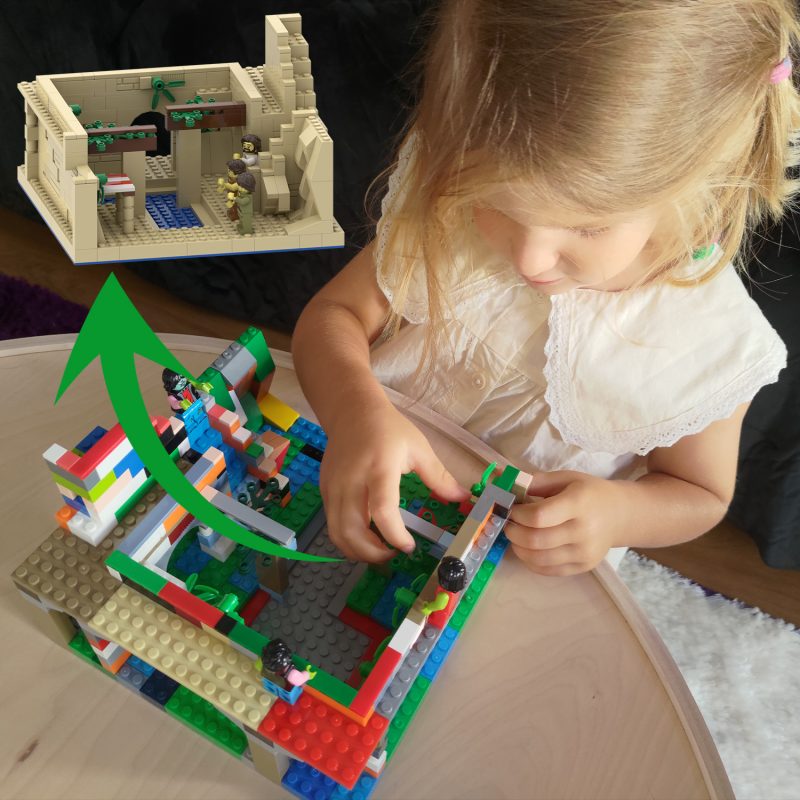
Children learn best when multiple senses are involved. When they build a Bible scene, place minifigures, and recreate the story themselves, they’re doing more than playing — they’re internalizing spiritual truths.
Hands-on play encourages:
-
Active learning instead of passive listening
-
Long-term memory retention through repetition and creativity
-
Emotional engagement as children relate to characters and events
-
Curiosity and questions, which open the door for conversation about faith
Building toys turn a story like the healing of the lame, the calling of Matthew, or the road to Damascus into something children can physically explore. The moment they assemble a scene, Scripture becomes more than text — it becomes an experience.
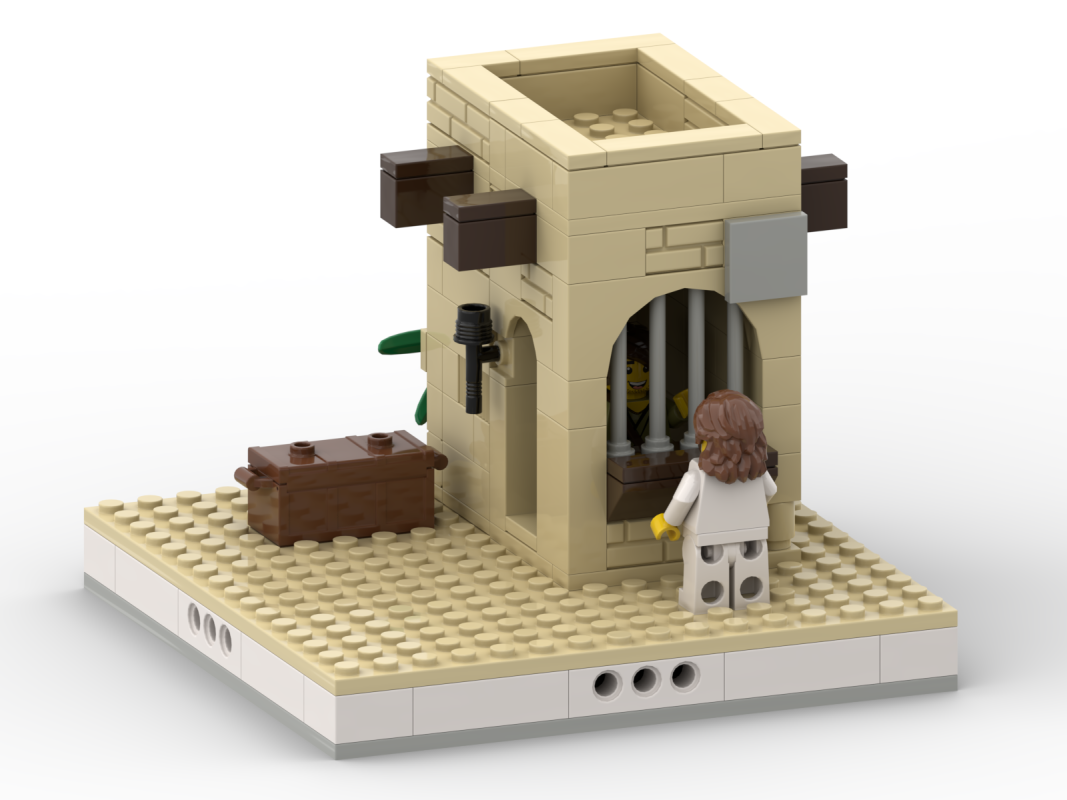
Bringing Bible Characters to Life
One common challenge for kids is picturing the people of the Bible. When children have only text or illustrations, it can be difficult for them to visualize who the apostles were or how they fit into the larger story.
Faith-based minifigures help children:
-
Put names to faces
-
Understand relationships between biblical characters
-
See diversity among early believers
-
Connect emotionally with the people in Scripture
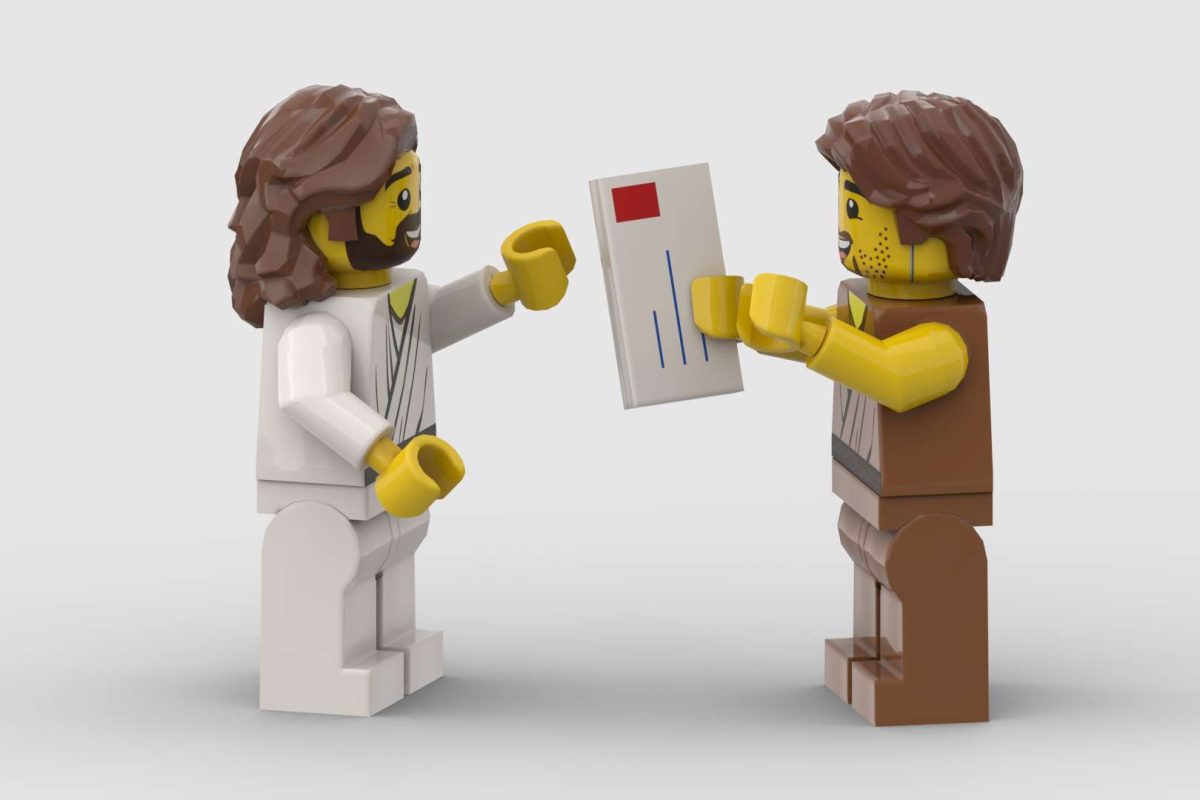
When a child holds a minifigure of Paul, Matthew, or the Samaritan Woman, those individuals become real, relatable, and meaningful.
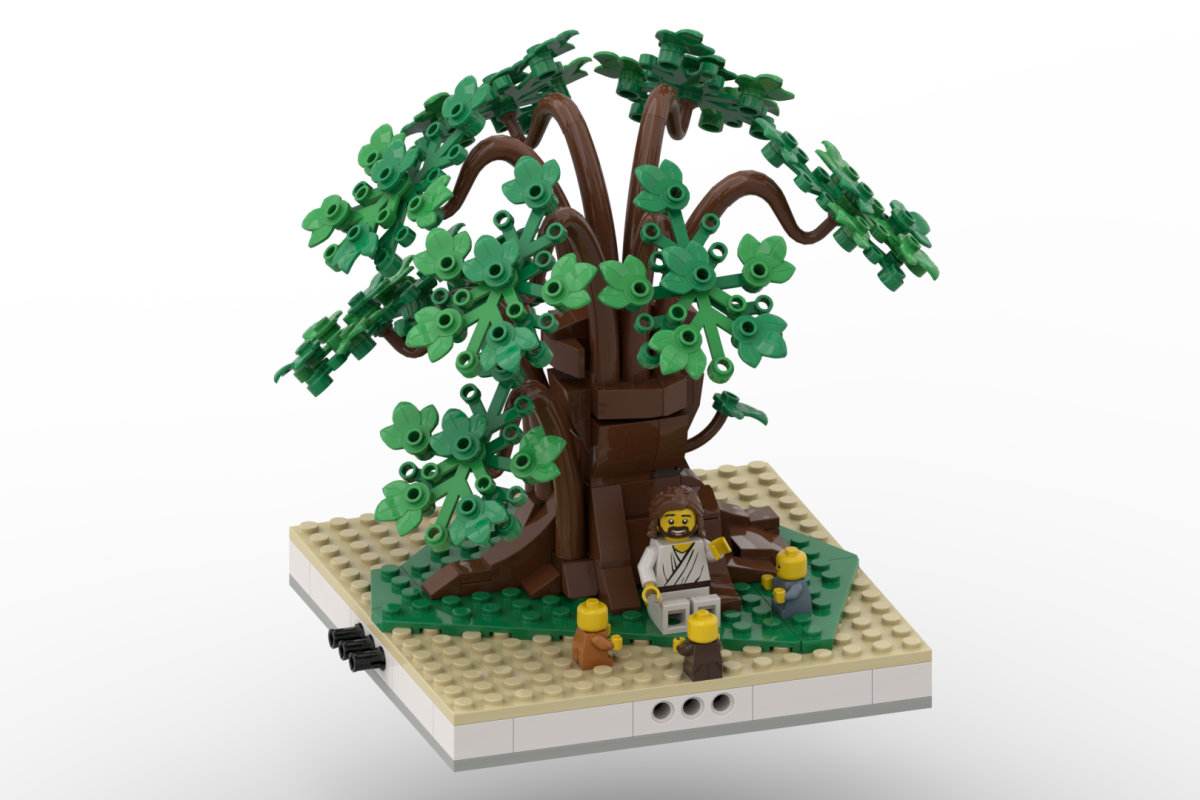
Making Bible Lessons Interactive for Churches, Parents, and Teachers
Whether in a Sunday school classroom, a homeschool setting, or a family devotional time, faithfully-designed building sets create opportunities for discussion and imagination.
Here’s how educators use them:
1. Story Reenactment
Children rebuild scenes and act out the story to help cement the narrative.
2. Creative Exploration
Kids build their own interpretations of biblical settings, guiding them to think deeply about Scripture.
3. Group Collaboration
Children work together, fostering teamwork and thoughtful conversation.
4. Object Lessons
Leaders can use sets as visual aids to explain complex concepts in simple, relatable ways.
By placing Scripture directly into children’s hands, the learning transforms from listening to participating.
Connecting Playtime and Faith Formation
Spiritual development isn’t limited to formal teaching. Many parents find that conversations about Jesus and the Bible flow naturally when kids play with faith-based toys.
Children might ask:
-
“Who is this character?”
-
“Why did Jesus say that?”
-
“What happened next?”
These moments open hearts and minds, creating opportunities for parents to share the gospel in an organic, age-appropriate way. Building toys become tools for discipleship — gentle, joyful ways to introduce the truths of God’s Word.
Building Faith, One Brick at a Time
Faith-based building toys bridge the gap between ancient stories and modern children. They encourage curiosity, nurture creativity, and help young learners understand Scripture in a hands-on, memorable way.
At The Word Bricks, our mission is simple and personal:
To help children connect with the Bible by turning Scripture into something they can build, hold, and explore.
Because when kids build the stories of the Bible, they also begin building a lifelong love for God’s Word.
